Hot Chocolate ideas, Panforte, Fruitcake, Extracts, Candied Fruits and more! chefshop.com/enews
|
|
 |
EXCLUSIVE
SUBSCRIBER
5% OFF CODE |
|
|
|
|
|
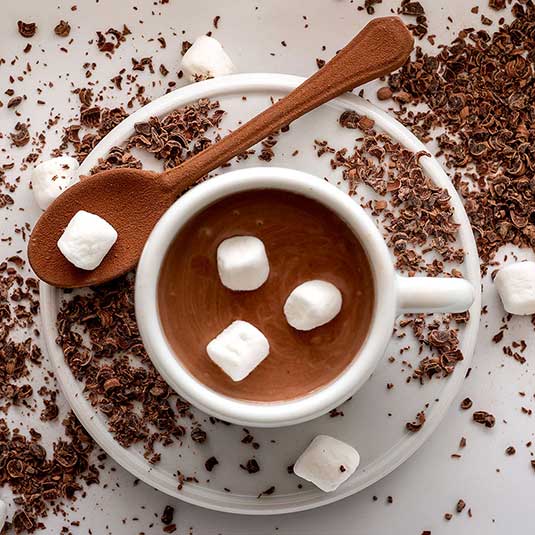
Hot Chocolate in Life
Right now is just right!
The importance of hot chocolate in life—"Drinking chocolate" is a satisfying treat you can sip to your heart's desire.
We may have grown up with packaged Swiss Miss which can do in a pinch if you are desperate, hanging on the side of a mountain, in a tent, in blizzard conditions. Otherwise, not so much.
Hot chocolate has evolved for me, becoming a calming ritual. Something I can do in private or in a crowd.
I love the chocolate in hot chocolate of course. I also love the way you can make hot chocolate personal, with a swish of this or a swish of that.
We like to take our basic recipe with our cocoa powder to start and then modify the "creaminess" to match our mood. Do you use regular milk? Or oat milk, almond milk, soy milk? Half and Half, or heavy cream?
Or some combination of all of them?
And then the type of sweetener, which changes the sugariness and sometimes the flavor, as well.
Finally, adding chocolate like Cru Sauvage is a great way to make each cup personal. Choosing a specific chocolate to add can change the tone and the sharpness of the chocolate personality.
Is it necessary to add more chocolate to an already chocolaty drink? No, definitely not. Is it fun when you do? I think so.
We really like adding a heaping teaspoon of our Swiss Grand Cru to a cup of the already made hot chocolate.
Or, you can make a pure hot (Swiss) chocolate by taking a 1/4 cup of Swiss Grand Cru and adding it to 5 ounces of almost boiling cream and you will have this wonderfully rich, thick cup of heaven! And with it comes a thick, incredibly rich, perfect by the fireplace, totally different mouth feel, demitasse hot chocolate!
Some spicy ideas to add are cinnamon, vanilla, nutmeg, chili powder, cloves, ginger, star anise. And vanilla, peppermint, almond extract. And zest of citrus.
So many options to make it your own!
Drinking hot chocolate is a wonderful thing! Worth living for!
Click Here To See "A Good Place to Start" to Make Hot Chocolate!
|
|
|
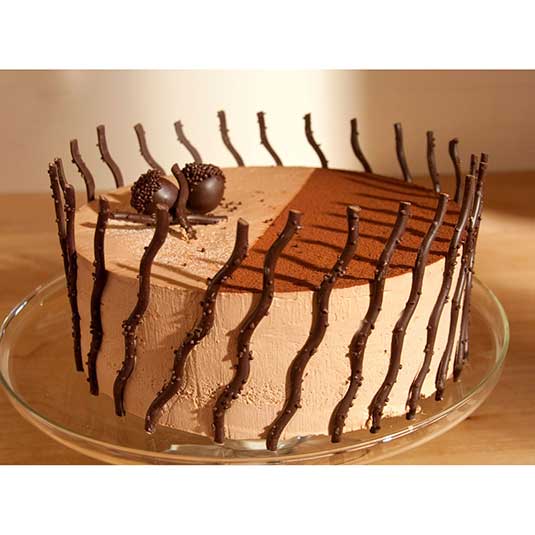
ChefShop Homemade Hot Chocolate
Recipe
Our basic recipe is delicious and it is when you make variations and changes to this very simple recipe that it becomes yours. Add cream in combination with milk, or use oat milk or coconut milk for a different richness. Add in cinnamon, or sprinkle some on top, dust with more cocoa powder, or with nutmeg or cardamom, or top with a zest of citrus.
Add more or less sugar to match your preferences when you make the base, and then try finishing with different sugars. Don't forget to consider sweet syrups and candy canes.
Consider adding freeze-dried coffee to a cup, or citrus bitters—actually any bitters will make an interesting change to the personality of the sip.
And of course, use your milk, dairy or not , to make a design in the chocolate before you serve. Or, go old school with a handful of marshmallows.
Lastly, add a little of your favorite chocolate bar to the mix for a nice, rich difference! Delicious drinking chocolate is a classic comfort food and making it your own is the fun!
See the ChefShop Homemade Hot Chocolate Recipe here!
|
|
|
 ChefShop Cocoa Powder
22 to 24% fat content makes it richer!!
After testing and trying and comparing this is our favorite solution for making and baking with cocoa powder! And for making hot chocolate!
This deep, dark Dutch-processed unsweetened cocoa powder is in a class unto itself. We have removed less fat from our cocoa (22-24% fat content), which results in a more intense and immediate chocolate flavor.
This "service pack" of ChefShop cocoa powder is designed for commercial users like baristas, bakers, and gelato makers. It is sealed in a thick zip-lock style bag for production baking with a Plain Jane label. Like many of the foods and ingredients that go to the back of the house, the contents are more important than being pretty.
And price relative to quantity is also a crucial part of the commercial kitchen. So that is why we have chosen this cocoa, for the quality and consistency of product relative to the cost.
And that's what we have here in this bag of exceptional cocoa powder. The resealable bag keeps the cocoa powder fresh, and it can last a good long time.
Store in a dark, cool place (just remember it is there) and you are all set.
Make something good for yourself! Try mixing condensed milk, cocoa powder, and melted butter together, then add crushed up Effie's biscuits. Scoop spoonfuls and roll into balls. Cover with crushed nuts; chill and then eat.
Ingredients: Cocoa processed with Alkali.
One Cup Hot Chocolate Recipe
Ingredients:
1 Cup milk
2 tablespoons Cocoa Powder
1 to 1 1/2 tablespoons caster sugar
Tiny pinch of salt
Directions:
1. Heat milk in saucepan or microwave
2. Add cocoa powder and sugar and whisk thoroughly
3. Heat more if necessary
4. Drink
Shop now for ChefShop Cocoa Powder here!
|
|
|
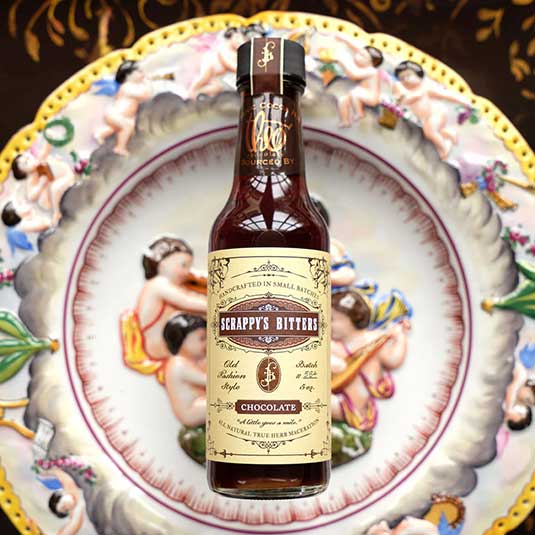
Scrappy's Chocolate Bitters
Enhance and bring the chocolate out in you!
Made with organic roasted cacao nibs, these chocolate bitters deliver a third chocolate element to all those baked chocolate goodies.
With just a hint of spice and oak, Chocolate bitters impart the essence of chocolate into any drink - hot or cold.
Hot chocolate, chocolate brownies, chocolate cake, chocolate ice cream, you name it.
Scrappy's Bitters was founded by Seattle bartender Miles Thomas. In his search for better bitters, he dove headfirst into research and development, immersing himself in the world of herbs and methods of extraction. He learned to pair flavors in order to intensify the taste he was seeking, and he came to understand that there were not only many ways to extract flavor from the same source, but that each yielded a different flavor.
Shop now for Scrappy's Chocolate Bitters!
|
|
|
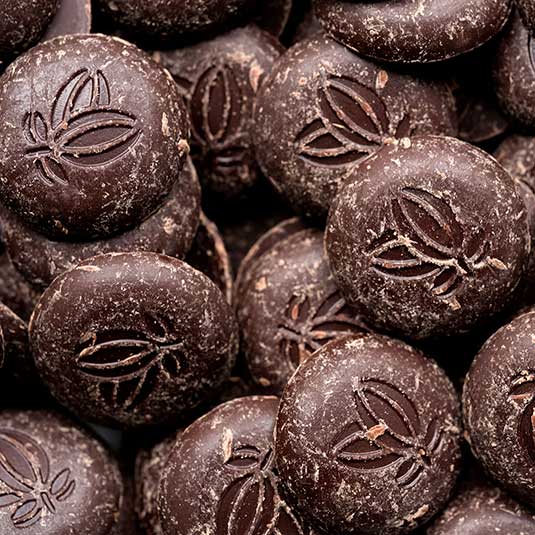
Cru Sauvage - Wild Cocoa Baking Chocolate 68%
If I could only have one chocolate for the rest of my life...
These little discs of rare Cru Sauvage bittersweet baking chocolate are excellent for eating out of hand or for incorporating into a host of chocolate desserts.
If I could only have one chocolate for the rest of my life, on a desert island, on a trip anywhere, or just camping, this is the chocolate I would choose.
The substantial and harmonious cocoa flavors of the Cru Sauvage bittersweet baking chocolate discs are complemented by the freshness of lemon and the fruitiness of grapefruit.
The traditional gentle processing method (60 hours conching) unfolds the intense dried prune bouquet and vanilla in a most exquisite way. The exceptionally pleasant fruit acidity and the long-lasting ending make the Cru Sauvage, with its cocoa content of 68%, a unique culinary experience.
Shop now for Cru Sauvage - Wild Cocoa Baking Chocolate 68% here and read about the journey to find this amazing bean - it is really interesting!
|
|
|
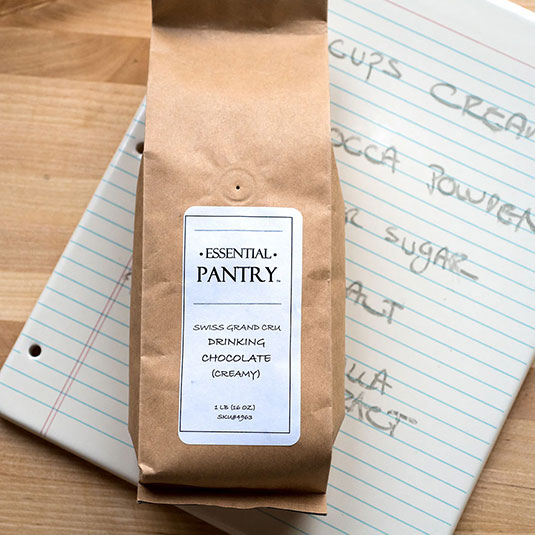
Swiss Grand Cru Drinking Chocolate
The Creamy version
Drinking chocolate can (and should) match your feelings for the end of the day. Rich and loose. Full of vibrancy, mellow or just plain sweet. We like to make our drink from many different sources of chocolate. From a packet mixed in hot water to melting chocolate in heavy cream. From dark to milk chocolate, each has its place in the hot chocolate lover's life.
This creamy hot chocolate is perfectly dreamy when the conditions are just right. After a long day on the slopes, in the summer sitting around the campfire or on your deck as you watch the sun drop below the horizon. It's just about right!
Essential Pantry's Creamy Hot Chocolate is made from the same Venezuelan Criollo cocoa beans as their Dark Drinking Chocolate, but it only contains 49% cocoa solids. What makes this hot chocolate "creamy" is the addition of cream from the milk of Swiss cows.
The cream allows the full cocoa flavor to come through without being too bitter or too sweet and provides a smooth finish. I would recommend it for those who don't like their hot chocolate too bitter.
Add a 1/4 cup to hot milk, cream or half and half and enjoy!
Shop now for Swiss Grand Cru Drinking Chocolate - Creamy here!
|
|
|
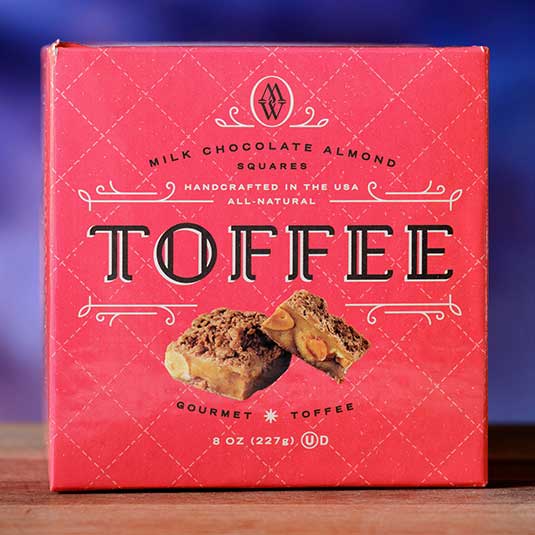
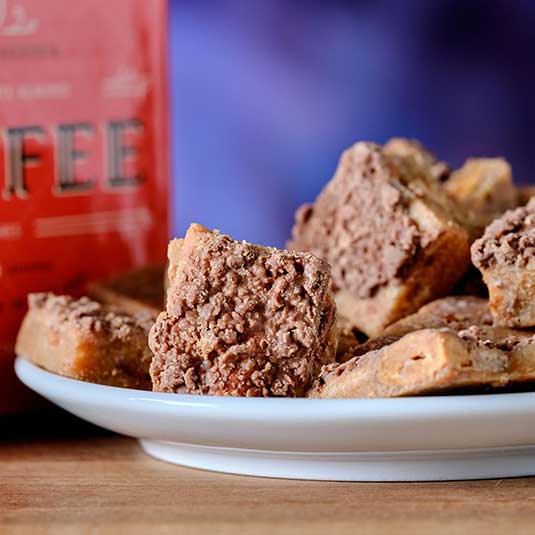
Mrs Weinstein's Milk Chocolate Almond Toffee Squares
Caution - you might eat the entire box on your own!
Way back when, in 1995, Mrs Weinstein's toffee came into being and into our lives and our happy mouths!
We loved it then for its wonderful bite and crunch. And for the less than grabby toffee teeth effect that is so common for other toffees made with corn syrup.
The first ingredient to this toffee is butter! Butter, perhaps the most important ingredient of all in the world of ingredients and this toffee starts with it!
Many years later, as in now, we have rekindled our love for this wonderful toffee! It is a very special treat!
One bite, and yes you can bite it as it is not rock hard, you will experience toffee bliss!
There is something about this recipe that Lotte made that makes it so memorable and special. The flavors, the crunch, the bite, everything makes this toffee perfect.
A warning though, plan to share it with best friends, or you might eat the entire box on your own!
Shop now for Mrs Weinstein's Milk Chocolate Almond Toffee Squares!
|
|
|
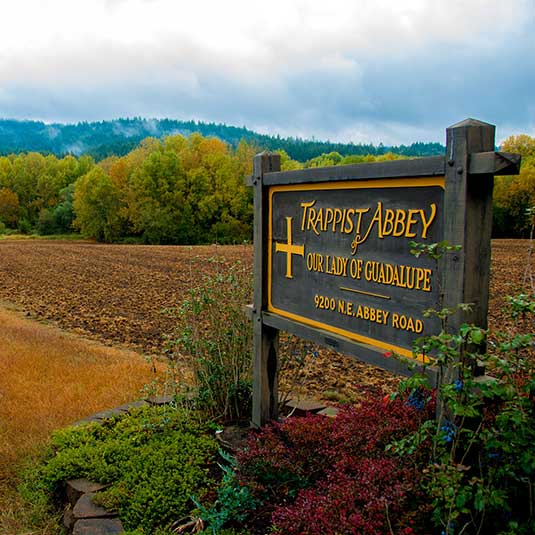
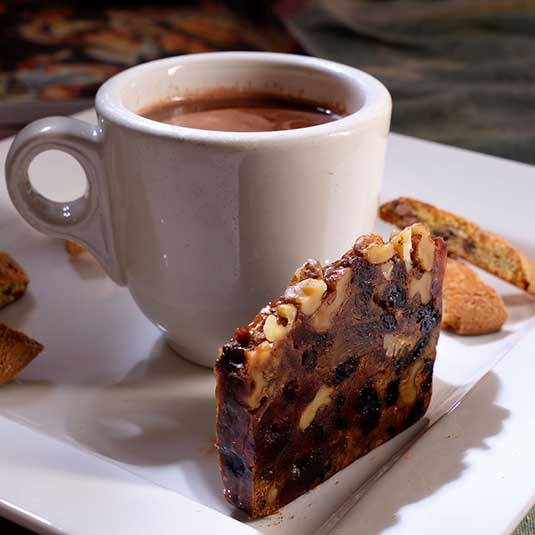
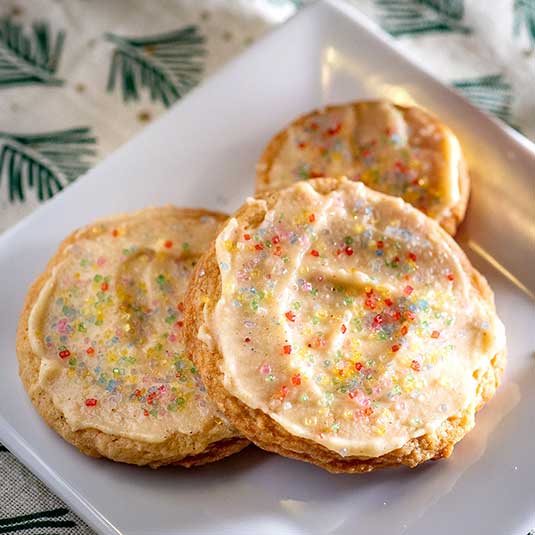
Trappist Abbey Fruitcake
I love this fruitcake this time of year!!
This time of year, as the holiday cakes start to arrive, there's nothing like the arrival of the fruitcakes.
Even though we now carry them year-round and realize they're not just a holiday cake, there's something special when the first shipment of the Trappist Abbey fruitcakes from Oregon arrives this time of year.
Perhaps the attachment to the fruitcake is also founded on our first trip to meet Father Richard and the Monks in Oregon a few years back.
The Trappist Abbey fruitcake is delightfully moist yet not overly sticky, easy to slice ultra-thin when chilled in the refrigerator or freezer. This holiday fruitcake goes perfectly with a cup of coffee in the morning, a cup of hot chocolate by the fire in the afternoon, and with your tea before bedtime.
Excusing the standard jokes, fruitcake will last the holiday season with ease. And though I don't eat large chunks, I do like my thin slice around this time of year.
The heartiest of cakes, fruitcakes have a long history going back to the Romans and even Moses, who reportedly ate fruitcake, too. Often eaten as a sign of wealth, the tradition of preserving fruits not from your local area was a way of having the bounty of the summer in the winter without refrigeration.
Make your own with one of our delicious holiday fruitcake recipes, or try the award-winning Trappist Abbey fruitcakes.
What you don't consume will keep almost forever!
Shop now for Trappist Abbey Fruitcake here!
|
|
|
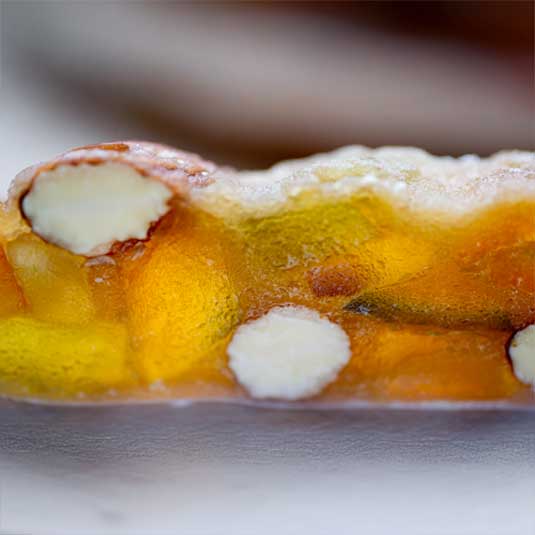
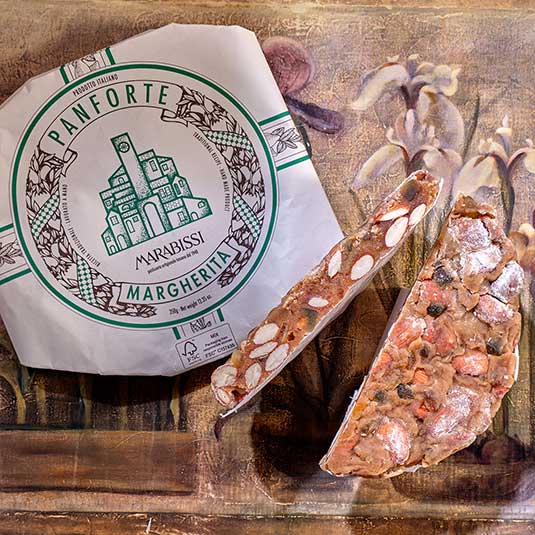
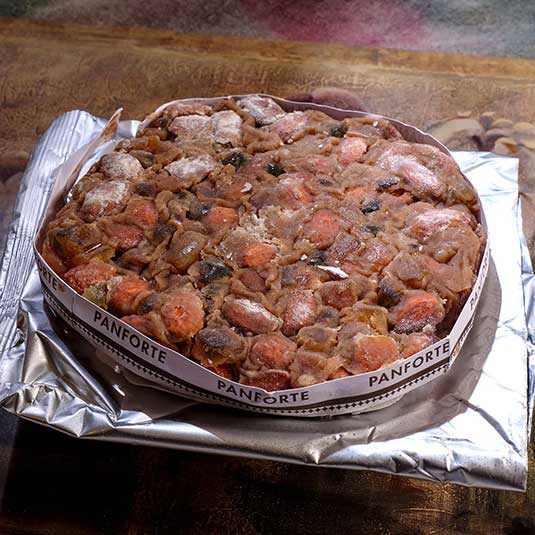
Panforte - the original power bar
A brief history of fruit in food
Fruit has been used in baked goods for thousands of years. In the ancient Near East and Mediterranean, dried fruits such as figs, dates, and raisins were used as sweetening or enriching ingredients in breads and cakes.
In ancient Egypt and Greece, baked breads and cakes might include honey along with fruits or nuts. A "fig cake" (made from pressed or dried figs) is mentioned in the Hebrew Bible and elsewhere, dating back to the early centuries CE. The precursor of modern fruit breads also existed in medieval Europe; for example, the German and Austrian Früuhtebrot ("fruit bread") contains dried pears and other fruits and has a tradition that dates to the Middle Ages.
The use of fruit in baking and the preservation of fruit through candying is a tradition centuries old, blending sweet innovation with necessity. As far back as ancient civilizations, fruits such as figs, dates, raisins, and pomegranate seeds were incorporated into breads, cakes, and other grain-based dishes. For instance, early forms of what we might call "fruit breads" or sweet cakes were made in ancient Rome, where a mixture of barley mash, raisins, pomegranate seeds, and pine nuts appears in the recipe for satura.
The method of candying—immersing fruit or peel in heated sugar syrups so that moisture is replaced with sugar and spoilage is prevented—is documented in Europe from at least the 14th century. Preservation with honey was already practiced in the ancient Near East and Mediterranean, but the arrival of sugar cane and refined sugar in Europe during the later medieval and Renaissance periods made the classic "candied fruit" possible.
In Provence, southern France, towns such as Apt and Carpentras became noted centers of fruits confits (candied fruit) production, using citrus, figs, and cherries. This technique turned fruit into something both festive and durable, enabling it to be enjoyed when fresh produce was unavailable or difficult to transport.
Early examples of baked goods using fruit include the Roman satura and medieval fruit breads or loaves sweetened with dried fruits and honey. This "cake" is preserved via the holiday and festive cake known as fruitcake. Its lineage begins in antiquity with the Roman variant, continues through the Middle Ages when dried fruits, spices, and preserved peels were incorporated, and extends into modern times as a symbol of celebration.
Another historic food is the Italian panforte (literally "strong bread"), a medieval dessert from Siena made with flour, nuts, dried and candied fruit, and spices—a recipe still prepared today. There is also record that by the early 18th century, in parts of continental Europe, fruitcake was at times "outlawed" (or at least frowned upon) for being "sinfully rich."
Fruit has been an ingredient in baked goods for thousands of years. Preserving fruit by candying became widespread in Europe as sugar technology advanced, and some foods born in ancient or medieval times, such as fruitcake and panforte, are still eaten and celebrated today.
FYI
In ancient Rome, satura (sometimes spelled satira or satura farcimen) was an early type of mixed dish or cake made from barley meal or other grains combined with fruits, nuts, and honey. The word satura literally means "a mixture" or "a medley," and it's the origin of the modern word satire (since satirical writing was also seen as a "mixture" of ideas).
FYI - The Flamigni sells out every year, early.
See this year's selection of Panforte's here!
|
|
|
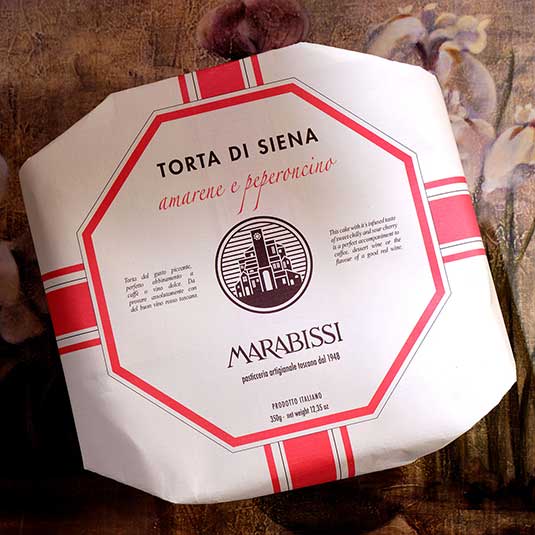
Marabissi Panforte Peperoncino & Cherries
Perfect for holiday parties or a winter campfire on the coast!
This rich and slightly spicy cake uses candied cherries instead of the usual candied orange peel, along with almonds. The orange gives it a tangy flavor. Then a small hit of hot pepper gives it a little burn. Also made with almonds and chocolate cocoa powder. It's a killer combination of cherry and chocolate, with a hint of heat.
Shop now for Marabissi Panforte Peperoncino & Cherries!
|
|
|
Traditional Dark Fruitcake
recipe!
When I was looking for fruitcake recipes, I wanted one that was jam-packed with dried and candied fruit, like the Trappist Monks make in Oregon. This is the closest I could find. This one comes from Joy Of Baking, who apparently got it from The Kitchen Diaries, by Nigel Slater. I made a few adjustments to this dark Christmas fruitcake recipe, but pretty much it is perfect the way it is, if you like fruitcake, that is.
See the Traditional Dark Fruitcake Recipe Here!
|
|
|
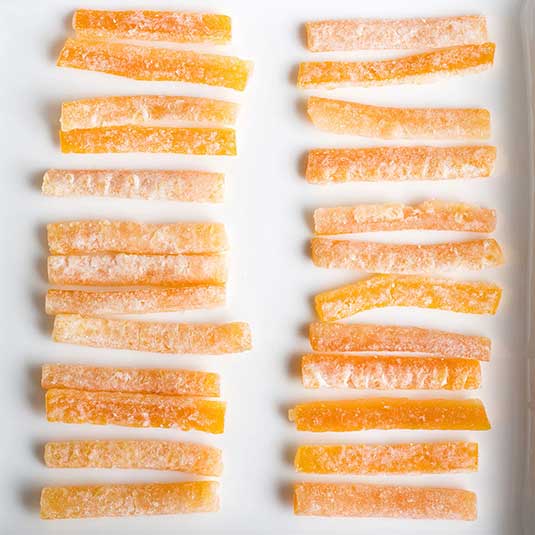
What are Candied Fruits?
See all the fruits here
Candied fruits are fruits that have been preserved in sugar through a process that involves soaking the fruit in sugar syrup and then drying it. The sugar draws out moisture from the fruit, preventing spoilage and effectively preserving it. The final result is a sweet, sticky, and sometimes crunchy fruit that retains much of the original fruit's flavor and texture, though it can be more concentrated and sweet.
Shop now for Candied Fruit for Baking!
|
|
|
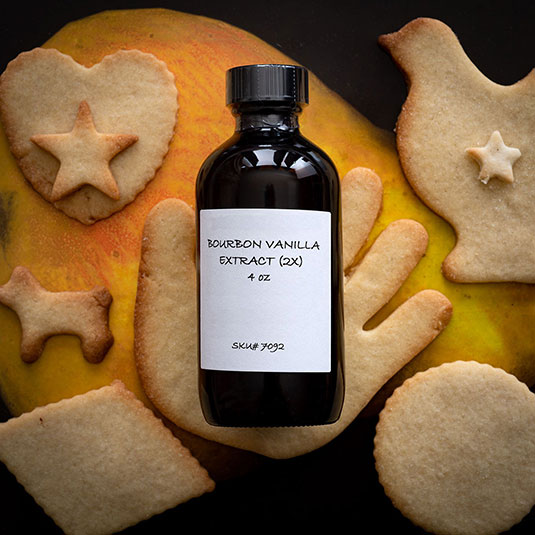
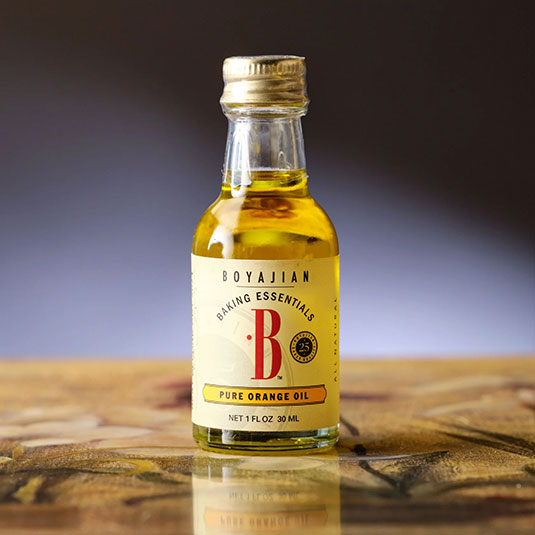
Extracts and Flavorings
Concentrated Flavors for expansive taste!
Extracts and flavorings are concentrated substances used in baking to enhance or define the flavor and aroma of baked goods.
They allow bakers to infuse doughs, batters, fillings, and frostings with the essence of ingredients, like vanilla, almond, citrus, coffee, or spices, without needing large quantities of the actual raw materials.
Extracts are typically made by steeping ingredients in alcohol or another solvent to capture their natural oils and aromatic compounds, while flavorings may be natural, artificial, or blended for intensity and stability under heat.
Used in small, precise amounts, they can deepen or brighten existing flavors, introduce complexity, or recreate the taste of ingredients that may be seasonal or hard to find.
From the subtle warmth of pure vanilla to the sharp freshness of peppermint or the delicate floral notes of orange blossom, extracts and flavorings are essential tools that help bakers achieve consistency, balance, and creativity in every recipe.
Bakers use extracts and flavorings in countless ways to shape and refine the character of their creations.
A touch of espresso extract can deepen the flavor of chocolate; a hint of vanilla rounds out sweetness and adds warmth; almond or orange blossom introduces new aromatic dimensions without altering texture.
Because extracts and flavorings are highly concentrated, they are used sparingly, often just a few drops to a teaspoon or two, to achieve balance and success.
Shop now for Extracts and Flavorings!
|
|
|
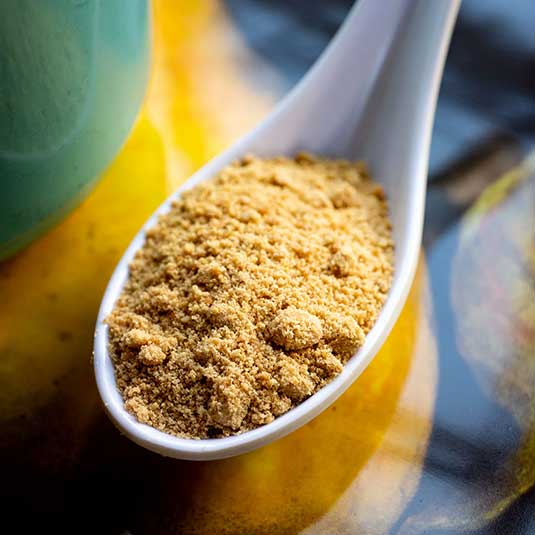
Sugars & Sweeteners
It is a sweet time of the year
Long before the discovery of refined sugar, ancient peoples satisfied their craving for sweetness with what nature provided directly.
Honey was humanity's first concentrated sweetener, used by Stone Age hunter-gatherers at least 8,000 years ago, as evidenced by cave paintings in Spain showing honey collection. Ancient Egyptians, Greeks, and Romans used honey not only in food but also in medicine and offerings to the gods.
At the same time, early civilizations discovered that certain plants, like dates, figs, and fruits, could be dried or boiled down into natural syrups, offering both sweetness and energy.
The sugarcane plant (Saccharum officinarum), native to New Guinea, began its global journey more than 10,000 years ago. Early peoples chewed the raw cane for its sweet juice, and by around 500 BCE, the technique of extracting and crystallizing sugar from cane juice had developed in India.
The Sanskrit word sarkara ("gravel" or "sand") gave us the word sugar. From India, sugar-making spread to Persia, and through Arab trade and expansion, it reached the Mediterranean and Europe by the Middle Ages. By the 15th-16th centuries, sugarcane cultivation became a major global industry, first in the Arab world, then in colonial plantations in the Caribbean and Americas.
In its purest, natural form, sugarcane is an extraordinarily vibrant and healthy plant. It's a tall, tropical grass, rich in chlorophyll and natural plant compounds. Fresh cane juice (the sweet sap squeezed directly from the stalk) contains vitamins (like B-complex), minerals (iron, calcium, magnesium, potassium), and antioxidants such as polyphenols. In many tropical cultures today (including India, the Caribbean, and Southeast Asia), fresh sugarcane juice is still consumed as a refreshing, nourishing drink that supports hydration and energy without the loss of nutrients caused by industrial refining.
When sugar is refined, however, nearly all of those natural minerals and beneficial plant compounds are stripped away, leaving pure sucrose crystals which are high in calories but devoid of nutrients. Thus, while raw sugarcane is a wholesome, living source of sweetness, super-refined sugar represents its most concentrated and least nutritious form.
Check out all the Sugars & Sweeteners!
|
Got questions? Call or email and we will do our best to answer your questions! We love sharing our taste opinions about all our products.
STORE HOURS: Monday thru Saturday, 10 to 5.
|
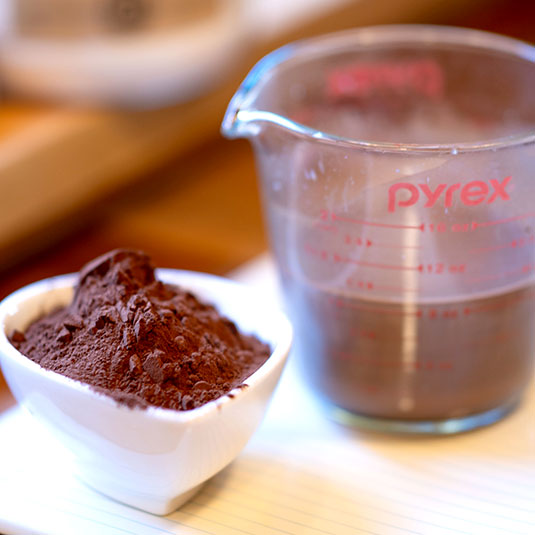
ChefShop Cocoa Powder
Small size now Available
We have spent the last 2 years looking and testing for a new ChefShop cocoa powder to replace our original recipe and venerable favorite which is no longer available.
This Deep Dark Dutch-processed dark unsweetened cocoa powder is in a class unto itself. We have removed less fat from our cocoa (22-24% fat content), which results in a more intense and immediate chocolate flavor.
This "service pack" of ChefShop cocoa powder is designed for commercial users like baristas, bakers, and gelato makers. It is sealed in a thick zip-lock style bag for production baking with a Plain Jane label. Like many of the foods and ingredients that go to the back of the house, the contents are more important than being pretty.
And price relative to quantity is also a crucial part of the commercial kitchen. So that is why we have chosen this cocoa, for the quality and consistency of product relative to the cost.
And that's what we have here in this bag of exceptional cocoa powder. The resealable bag keeps the cocoa powder fresh and it can last a good long time.
The new size is now available.
Shop now for ChefShop Cocoa Powder here!
 Give the Gift of Love through Food
Gift Certificates available for any amount you choose.
Choose the amount in $25 increments by changing the quantity number and we will take care of the rest.
Share ChefShop with a Gift Certificates
Store Hours - Monday thru Saturday 10 to 5
ChefShop.com
1425 Elliott Ave W
Seattle, Wa 98119
206-286-9988
Our bigger parking lot is north of the shop and next door (south of) Champions Party Supply.
Easy to reach and wide open parking lot. Click here to see the map.
|
|
|
DESIGN: JODI LUBY & COMPANY, INC. NEW YORK CITY, NY; EMAIL STRATEGY: CRM Group USA, SEATTLE, WA
|
|