 |
|
 |
|
|
|
Dietitian's Corner – Vitaflo TYR Cooler Red
What do patients from Quebec, Canada think of the new, great tasting flavor?
Marie-Helene Bourdages, Metabolic RD
CHUQ-CHUL
Quebec, Qc Canada
Background
Tyrosinemia type 1, or hepato-renal Tyrosinemia, is a hereditary metabolic disorder caused by an enzyme deficiency; lack of the liver enzyme fumarylacetoacetate hydrolase (FAH). This liver enzyme is involved in the last stage of the breakdown of the amino acid tyrosine.
In individuals with Tyrosinemia, the liver does not produce FAH. This results in a build up of tyrosine and toxic components such as succinylacetone, which causes liver and kidney damage through a range of symptoms. The clinical severity can vary with some patients affected worse than others.
The incidence of Tyrosinemia varies throughout the world, ranging from 1:100,000 to 1:120,000 live births. In the province of Quebec in Canada, the incidence is much higher at 1:17,000; however, in one specific region of Quebec, Saguenay-Lac-St-Jean, the highest incidence of the disorder (1:1,846) can be found. All newborns in Quebec are screened for Tyrosinemia as part of the neonatal screening program which has existed there since 1970.
Treatment
Treatment for Tyrosinemia is a combination of two important elements:
- Medication: NTBC (Nitisinone) which prevents the accumulation of toxic substances by blocking the breakdown of tyrosine before the step involving FAH.
- Nutritional management: This prevents the build up of phenylalanine (amino acid precursor of tyrosine) and tyrosine. It should meet all of the individual’s nutritional needs while supporting growth and development.
Nutritional management of Tyrosinemia is complex and very restrictive for patients and their families. The food choices are very limited so imagination and creativity are required to make the diet varied and more interesting for the patients. This is essential if the patient is to adhere to the diet.
Low protein diets
The key element in nutritional management is a tight restriction of phenylalanine and tyrosine. As these amino acids are present in all foods containing protein, a low protein diet is required. Meat, meat substitutes and dairy products are not permitted in the diet. People affected with Tyrosinemia eat special products low in protein such as low-protein cereals, low-protein breads, fruits, vegetables, etc.
Exchanges
Although excess levels cause poor health in patients with Tyrosinemia, phenylalanine and tyrosine are essential for health, so minimal intakes of both of these amino acids are crucial. Parents need to learn how to count these amino acids in foods by way of exchanges. Exchanges of phenylalanine and tyrosine (phe + tyr) come from vegetables and fruits and certain grain products such as crackers or cereals.
One exchange = 25mg of phe + tyr.
The Dietitian calculates the number of exchanges allowed for each individual patient as each child will have different levels of tolerance. The prescribed number of exchanges are intended to keep the levels of tyrosine in the blood between 200 and 400 umol/l. If tyrosine levels are higher or lower than this, the number of exchanges may be increased or decreased.
Protein substitutes
In the nutritional management of Tyrosinemia, it is essential for health and development that the patient takes a formula or amino acid supplement (also known as a protein substitute) that does not contain phenylalanine or tyrosine. Typically these protein substitutes also contain a complete range of vitamins and minerals. As the patient cannot eat meat, meat substitutes or dairy products, these protein substitutes allow the patient to receive the nutritional elements that they would usually receive from these food groups (primarily protein but also other nutrients such as calcium, iron and many other nutrients).
Compliance with consuming protein substitutes
The intake of protein substitute required to meet the needs of a Tyrosinemia patient is often quite large and the taste is not always accepted. For some, the prescribed dose of protein substitute is easy to take. For others it is not so easy. Therefore it is very important to have a variety of formulas available, which is often a challenge for the companies who produce them. The arrival of TYR Cooler Red, a new protein substitute for Tyrosinemia type 1, has allowed many of our patients who previously found it difficult to take their formula, finally find a protein substitute that is easy to take and allows them an optimal nutritional treatment.
Vitaflo TYR Cooler Red – Patient acceptability study
In the winter of 2010, a group of children with Tyrosinemia, aged 3 and over from the province of Quebec were invited to take part in a product acceptability study for TYR Cooler Red, arranged by Vitaflo International. With the help of their parents, 12 children completed the study by answering a questionnaire.
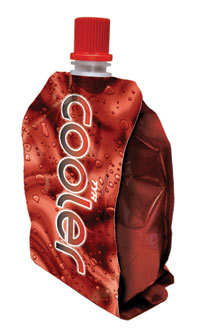
TYR Cooler Red is a ready to drink liquid product that comes in small individual pouches. Out of the 12 subjects who completed the study, 8 have continued to use the TYR Cooler Red as their daily protein substitute. Three other children who did not take part in the study have also changed to the TYR Cooler Red instead of their regular formula. Other patients are taking a combination of the TYR Cooler with their current formula to meet their nutritional needs.
According to the answers on the questionnaires, the majority of the subjects found that in comparison with their original formulas (mostly powders mixed up with water), the TYR Cooler Red had a better taste and a more acceptable smell. Additional comments were as follows;
- Low volume - The amount a patient is required to take is less.
- No preparation required
- Practical to carry around when on-the-go or away from home.
It is important that companies continue to use their creative abilities to produce products that are adapted to the taste and lifestyle of young people today. Our patients depend on them for good health.
Thanks to my colleagues Monon Bouchard, RD and Hélène Fortin, RD for their collaboration in writing this article.
Reference:
http://www.coramh.org/pages.php?p=3&sp=5
|
|
|
|
|
|
|
|
| Vitaflo USA. 123 East Neck Road, Huntington, New York 11743 |
|